
2008 vs. Today: Is Canada in Greater Financial Danger?
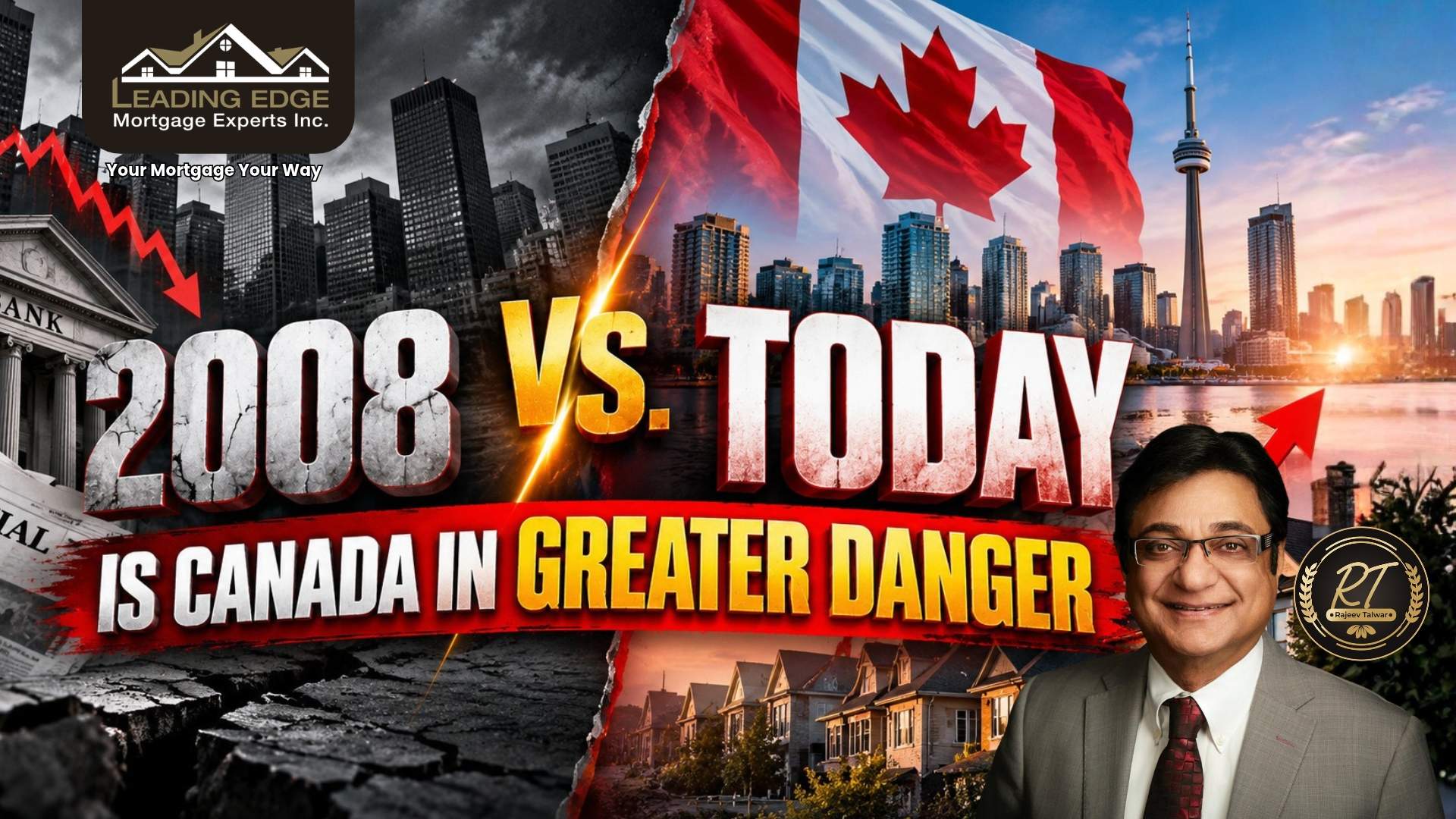
2008 vs. Today: Is Canada in Greater Financial Danger?
Canada’s economy has changed considerably since the 2008 global financial crisis. Housing prices have climbed in many regions, household debt remains a concern, and higher living costs have put pressure on family budgets. Although Canada avoided some of the worst effects of the financial crisis at the time, today’s economic challenges raise an important question: is the country in greater financial danger now than it was in 2008?
The answer depends on which risks are being considered. Canada’s banking system, housing market, household finances, and interest rate environment all play important roles in determining how prepared Canadians are for economic uncertainty.
What Made the 2008 Financial Crisis Different?
The 2008 crisis originated largely in the United States, where risky mortgage lending, falling property values, and financial market instability triggered widespread economic disruption. The effects spread internationally, affecting employment, business confidence, lending, and household wealth.
Canada’s financial system proved relatively resilient during that period, supported by banking regulations and lending practices that differed from those in the United States. However, Canadian households and businesses were not completely insulated from the downturn. Job losses, tighter credit conditions, and uncertainty still affected the economy.
At the time, housing affordability was a concern in certain markets, but the combination of mortgage costs, home prices, and household debt looked different from what Canadians face today.
Why Canada’s Financial Risks Look Different Today
One of the biggest differences is the cost of housing. In many Canadian communities, home prices and rents have risen substantially over the years, making it harder for households to save, manage monthly expenses, and qualify for mortgages.
Household debt is another concern. Many homeowners carry large mortgages, while others manage car loans, credit cards, and other financial commitments. When borrowing costs rise or income falls, these obligations can become more difficult to manage.
Interest rates also affect household finances. Borrowers renewing mortgages after a period of lower rates may face higher payments, depending on their loan terms and current rates. This can reduce the money available for savings, daily expenses, and unexpected costs.
However, today’s economy should not automatically be considered more dangerous in every respect. Canada’s financial institutions continue to operate within a regulated system, and the economy has different strengths and vulnerabilities than it did in 2008.
Could Housing Market Pressure Create Bigger Problems?
Housing is closely connected to Canada’s broader financial stability. When property values rise faster than household incomes, buyers may need larger mortgages and higher down payments. Existing homeowners can also become vulnerable if they rely heavily on property values to support their financial plans.
Market conditions vary by location, property type, and price range. Some homeowners may face longer selling periods or need to adjust their asking prices when buyer demand weakens. Understanding current market conditions is therefore important before making a major property decision.
For homeowners who are struggling to sell, reviewing the factors discussed in our article on what Canadian homeowners should consider when selling in a frustrating market can help put changing buyer expectations and selling decisions into perspective.
How Can Canadians Prepare for Financial Uncertainty?
Preparing for economic uncertainty starts with understanding personal finances rather than predicting the next crisis. Households can review their income, monthly expenses, debt obligations, and emergency savings to identify areas that may need attention.
First-time buyers should consider the complete cost of homeownership, including mortgage payments, property taxes, insurance, maintenance, and utilities. Reviewing mortgage options for first-time home buyers can help buyers understand the financing considerations involved before committing to a property.
Self-employed Canadians may need additional planning because their income can fluctuate. Lenders may assess business income, tax documents, and financial history when reviewing applications. Understanding the requirements for a self-employed mortgage can help borrowers prepare the documentation needed for a financing decision.
Older homeowners should also consider how housing wealth fits into their retirement plans. A home may represent a substantial portion of someone’s net worth, but accessing that equity requires careful consideration. Our article on reverse mortgages and retirement living in Canada discusses important factors homeowners should weigh before choosing this option.
Is Canada in Greater Financial Danger Than in 2008?
Canada faces a different combination of financial pressures today. Housing affordability, household debt, mortgage renewals, and everyday living expenses create challenges for many families. At the same time, the circumstances that caused the 2008 crisis were different, and a direct comparison cannot predict whether another financial downturn will occur.
The most useful response is to focus on financial resilience. Maintaining manageable debt, planning for changes in borrowing costs, and understanding available mortgage options can help households make more informed decisions.
If you are assessing a home purchase, refinancing decision, or changing financial situation, contact our team to discuss your mortgage circumstances and the options that may be appropriate for your needs.
Rajeev Talwar
Principal Mortgage Broker / Owner
Leading Edge Mortgage Experts Inc.
Licence Number: M08002849
Telephone: 905-819-1001
Email: rajeevtalwar@thehomemortgage.ca

Rajeev Talwar
Lic #M08002849
Mississauga, Mortgage Broker/Owner
Tel: 905-819-1001
Fax: 905-819-1002
Email: rajeevtalwar@thehomemortgage.ca